Roof tarping vs board-up: which emergency fix you need
Tarping stops water; board-up closes holes. Here's how to choose the right emergency roof fix in Wilkes-Barre, PA - and when to call a pro.
If your roof is leaking right now, tarping is almost always the fix you need - it sheds water off the damaged area and stops the leak from spreading. Board-up is for when the roof structure itself is missing or unsafe: a hole from a fallen limb, a collapsed section, or exposed decking that needs to be sealed before anything else can happen. In Wilkes-Barre, where nor'easters and summer thunderstorms both hit hard, knowing which one to grab saves you thousands in interior damage.
We run emergency calls across Luzerne County every week, and the choice between tarp and board-up comes down to one question: is the problem water getting in, or is it the roof itself being gone? The rest of this post breaks down when each fix applies, what they cost in 2026, and the mistakes that turn a $400 repair into a $4,000 insurance claim.
What is the difference between roof tarping and board-up in Wilkes-Barre Pennsylvania?
Roof tarping vs board-up Wilkes-Barre PA is a comparison between two emergency fixes that solve different problems: tarping covers a damaged but intact roof to keep water out, while board-up replaces missing roof material with plywood or OSB to close a structural opening. One is a raincoat; the other is a patch on a wound.
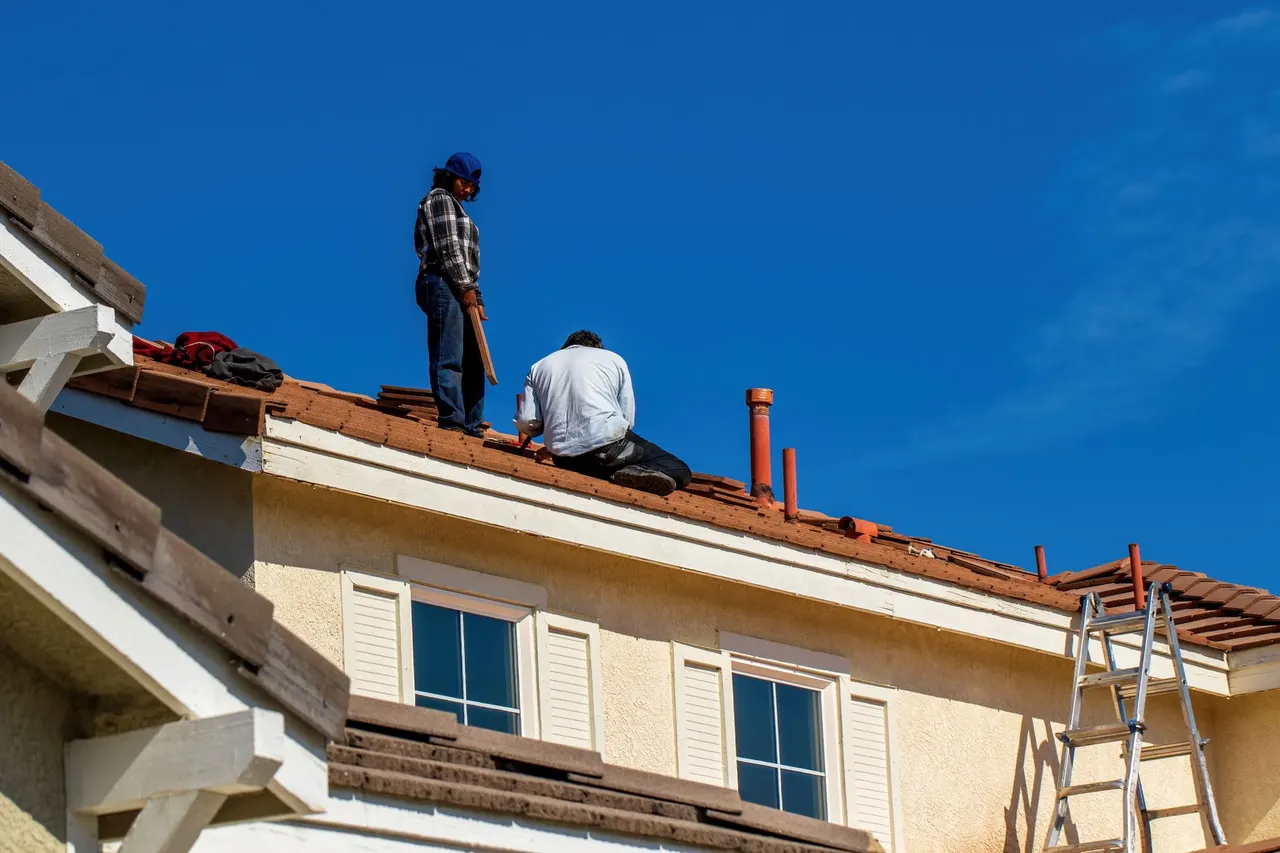
A tarp goes over shingles, flashing, or a cracked flat membrane. It's weighted or nailed at the edges and pitched so water runs off instead of pooling. We use 20x30 or 30x40 heavy-duty polyethylene tarps - the blue or silver ones you see on roofs after a storm - and we secure them with cap nails and 2x4 battens so they don't flap loose in a 40 mph gust.
Board-up is different. When a tree limb punches through your roof deck, or a section of sheathing rots and collapses, there's nothing left to tarp over. We cut 7/16-inch OSB or 3/4-inch plywood to fit the opening, screw it into the rafters, and seal the seams with peel-and-stick membrane. That keeps rain, snow, and animals out until we can do a permanent repair.
Here's the short version:
- Tarp: roof is still there, but water is getting through. Best for leaks, missing shingles, cracked flashing, and storm-driven rain.
- Board-up: roof material is gone. Best for impact holes, collapsed decking, and fire or structural damage.
- Both: a large impact that tore off shingles and punched through the deck. We tarp the perimeter and board the hole.
If you're not sure which one you're looking at, stand back from the house and look at the roofline. If you can see sky through the roof, that's board-up. If the roof looks intact but water is dripping into your kitchen, that's tarping.
When tarping is the right call
Tarping is the right call when the roof structure is sound but the weatherproofing has failed - which describes about 80% of the emergency calls we run in Wilkes-Barre. The most common triggers we see are lifted or missing shingles after a windstorm, ice dam damage in February and March, and flashing failures around chimneys and skylights on the city's older homes.
Wilkes-Barre has a lot of housing stock from the 1900s through the 1950s, especially in neighborhoods like Parsons, Miners Mills, and the Heights. Those roofs were built with slate, low-slope built-up membranes, and 3-tab asphalt that's now 20 to 30 years old. When a 50 mph gust comes through, the oldest shingles go first. A tarp buys you time.
We also tarp a lot of flat roofs on commercial buildings along Kidder Street and near the Wyoming Valley Mall. A flat roof leak can travel 20 feet from the actual breach before it shows up on your ceiling, so we tarp the whole quadrant, not just the visible wet spot. If you're dealing with that, our Flat Roof Leak Repair Wilkes-Barre PA team handles both the temporary cover and the permanent fix.
Signs you need a tarp, not a board-up:
- Water stains spreading on a ceiling or wall after rain
- Missing or curled shingles, but the deck feels solid underfoot
- Cracked or separated flashing around a chimney, vent, or skylight
- Ice dam water backing up under the shingles in late winter
- A flat roof with ponding water and a slow drip inside
One more thing: tarping is not a permanent repair. A properly installed tarp lasts 60 to 90 days in our climate before UV and wind start working on it. That's enough time to file an insurance claim, get an adjuster out, and schedule the real fix.
When board-up is the right call
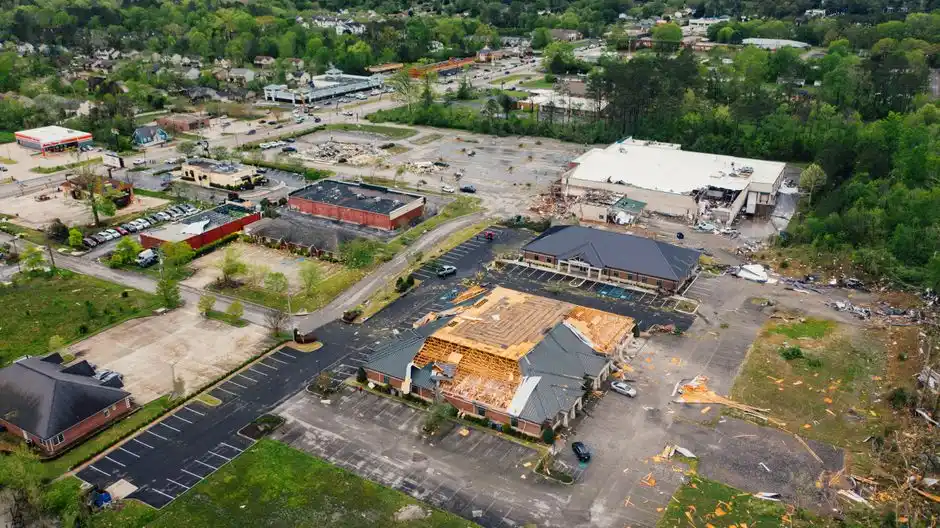
Board-up is the right call when the roof has an actual opening - a hole you could put your fist through, or a section of decking that's sagging or gone. In Wilkes-Barre, that usually means a fallen tree limb, a chimney collapse, or storm debris that punched through. It's less common than tarping, but when it happens, it can't wait.
We've boarded roofs in Ashley, Hanover Township, and Wilkes-Barre Township after summer microbursts dropped 60-foot maples onto houses. A limb that size doesn't just dent shingles - it shears through the deck, the rafters, and sometimes the ceiling drywall below. You can't tarp over a hole that big. Water will pool in the tarp and pull it down.
Board-up does three jobs at once:
- Keeps water out. A sealed OSB panel with membrane over the seams sheds rain and snow just like a roof.
- Keeps animals out. Squirrels, raccoons, and starlings will find an open roof within 24 hours. We've pulled nests out of attics in the Hill section more than once.
- Keeps the structure from getting worse. An open roof lets rain soak the rafters and ceiling joists. Dry rot starts in weeks, not years.
If the damage is from a storm that also took out gutters or soffit, we handle that in the same visit. Our Storm Damage Roof Repair Wilkes-Barre PA crew carries plywood, tarps, and fasteners on every truck so we're not making two trips.
Cost and timing: what to expect in 2026
Typical 2026 pricing in the Wilkes-Barre area runs $350 to $700 for a standard roof tarp on a single-family home, and $500 to $1,200 for a board-up depending on the size of the opening and how high the roof is. Both are usually covered under homeowners insurance when the damage is storm-related, and most policies treat them as emergency mitigation - meaning you get reimbursed even before the adjuster signs off on the full claim.
What drives the price:
- Roof pitch and height. A 2-story steep-slope roof takes longer and needs more safety gear than a ranch.
- Size of the affected area. A 20x30 tarp covers 600 square feet. A 30x40 covers 1,200.
- Access. A roof you can reach with a 24-foot ladder is cheaper than one that needs a 40-foot ladder or a lift.
- Time of day. After-hours and weekend calls carry a higher rate - that's true for every trade in the valley.
Timing matters more than price. A tarp installed within 24 hours of a leak typically prevents $2,000 to $8,000 in interior damage - wet drywall, ruined insulation, stained ceilings, and mold remediation. Wait a week and you're looking at a much bigger bill.
If you're not sure whether you need a tarp or a board-up, our Emergency Roof Tarping Wilkes-Barre PA team can walk you through it on the phone in about two minutes. We'd rather tell you it's a simple tarp than sell you something you don't need.
Common mistakes we see on Wilkes-Barre roofs
The biggest mistake homeowners make is trying to tarp a roof themselves in bad weather. Every year we get called to fix a DIY tarp that came loose in the wind and did more damage flapping against the shingles than the original leak. A tarp that isn't fastened correctly is a sail, not a cover.
Other mistakes we see:
- Using a cheap blue tarp from the hardware store. The 5-mil tarps sold for camping tear in one storm. You want 10 to 20 mil, minimum.
- Laying the tarp flat instead of pitching it. Water pools in the middle, weighs 8 pounds per gallon, and pulls the tarp down.
- Nailing through the shingles without sealing. Every nail hole is a new leak. We use cap nails with neoprene washers and seal them.
- Boarding up without membrane. OSB alone will swell and rot in a single wet season. It needs peel-and-stick over the seams.
- Waiting for the insurance adjuster before covering the roof. Your policy requires you to mitigate further damage. Tarp first, claim later.
One more: don't tarp over a gas vent, chimney flue, or attic fan. You'll trap carbon monoxide or moisture inside the house. We always leave those clear and seal around them instead.
When to call a professional
Call a professional when the roof is steeper than a 6/12 pitch, when the damage is more than a few square feet, or when you can see daylight through the deck. Those are the three conditions where a ladder and a helper aren't enough - and where a fall from 20 feet becomes a much bigger problem than the leak.
We also recommend calling us if you're not sure what you're looking at. A 10-minute inspection tells you whether it's a tarp, a board-up, or something that needs a full repair. Our roof leak repair Wilkes-Barre team has been on roofs across the valley - from the older slate roofs in the Heights to the newer shingle roofs out toward Dallas - and we've seen pretty much every version of storm damage this climate produces.
We're a local, state-licensed roofing contractor. We show up in a marked truck, we quote the price before we start, and we don't leave until the roof is dry and secure.
Frequently Asked Questions
Should I tarp or board up my roof in Wilkes-Barre PA?
Tarp if the roof is intact but leaking - that covers 80% of emergency calls. Board up if there's an actual hole or missing decking. If you can see sky through the roof, board up. If water is dripping inside but the roof looks whole, tarp.
What is the difference between roof tarping and board-up in Wilkes-Barre Pennsylvania?
Tarping covers a damaged roof with a waterproof sheet to stop water intrusion. Board-up replaces missing roof material with plywood or OSB to close a structural opening. Tarping is for leaks; board-up is for holes.
Who does roof tarping and board-up in Wilkes-Barre PA?
Wilkes-Barre Roof Repair Pros handles both, 24/7. We carry tarps, plywood, and fasteners on every truck and can usually be on-site within 60 to 90 minutes for emergency calls in the Wilkes-Barre area.
Which emergency roof fix is best in Wilkes-Barre PA?
Tarping is best for most storm leaks because it's faster, cheaper ($350-$700), and covers more area. Board-up is best when the roof structure is compromised. Many large storms need both - tarp the perimeter, board the hole.
How long does a roof tarp last?
A properly installed 20-mil tarp lasts 60 to 90 days in northeastern Pennsylvania before UV and wind degrade it. That's enough time to file a claim and schedule the permanent repair. Don't leave it on through a full winter.
Get help with Emergency Roof Repair in Wilkes-Barre
If your roof is leaking or has an open hole right now, we can tarp it, board it, or both - usually the same day you call. We serve Wilkes-Barre, Kingston, Forty Fort, Plains, and the rest of Luzerne County.
Call (570) 481-9079 and we'll tell you what you need in under five minutes.